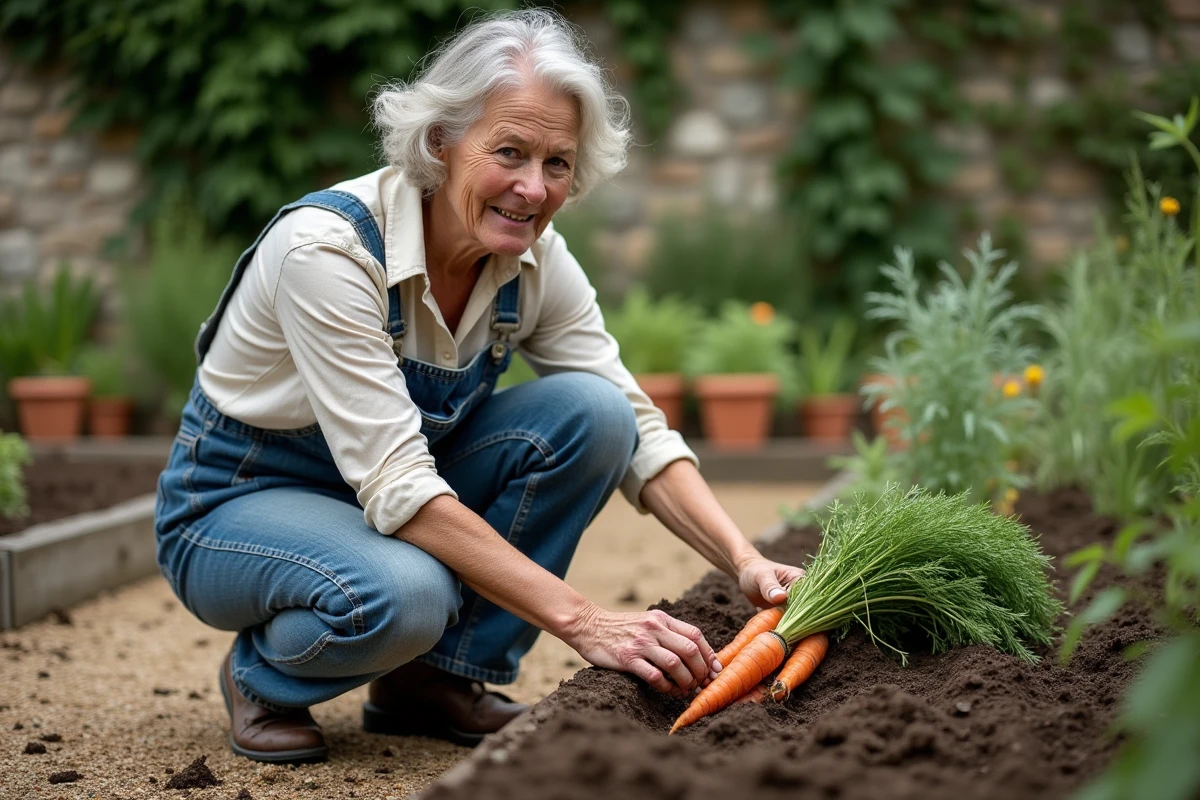
Agricultural leisure activities in France are not just limited to Sunday pickings. Behind this term lies an ecosystem of structured activities, led by operators who open their farms, fields, and expertise to families or specialized audiences. Understanding the formats that work, their regulatory constraints, and their seasonality allows for the selection of truly immersive experiences.
Utilization of Agricultural Buildings for Mobile Leisure
In recent years, we have observed a strong trend: the rental of barns and sheds as secure parking spaces for motorhomes, converted vans, or boats. Platforms like MonHangar.fr directly connect farmers and owners of recreational vehicles, without heavy investment in tourist infrastructure.
This model presents a clear operational advantage. The operator monetizes an underutilized building during the off-season, without altering its cadastral classification or engaging in heavy renovation work. The rental agreement remains simple, and the farmer’s professional liability insurance generally covers this type of service, provided that the clauses of the rural lease are checked if the land is not fully owned.
For families seeking budget-friendly nature vacations, parking a van on a farm offers an authentic rural stopover. Some farmers also offer direct sales of farm products or access to private hiking trails. It is these combined offers, listed on the Loisiragri website, that transform simple parking into a genuine farm stay.
Certified Educational Farms: Workshops for Children and Career Discovery
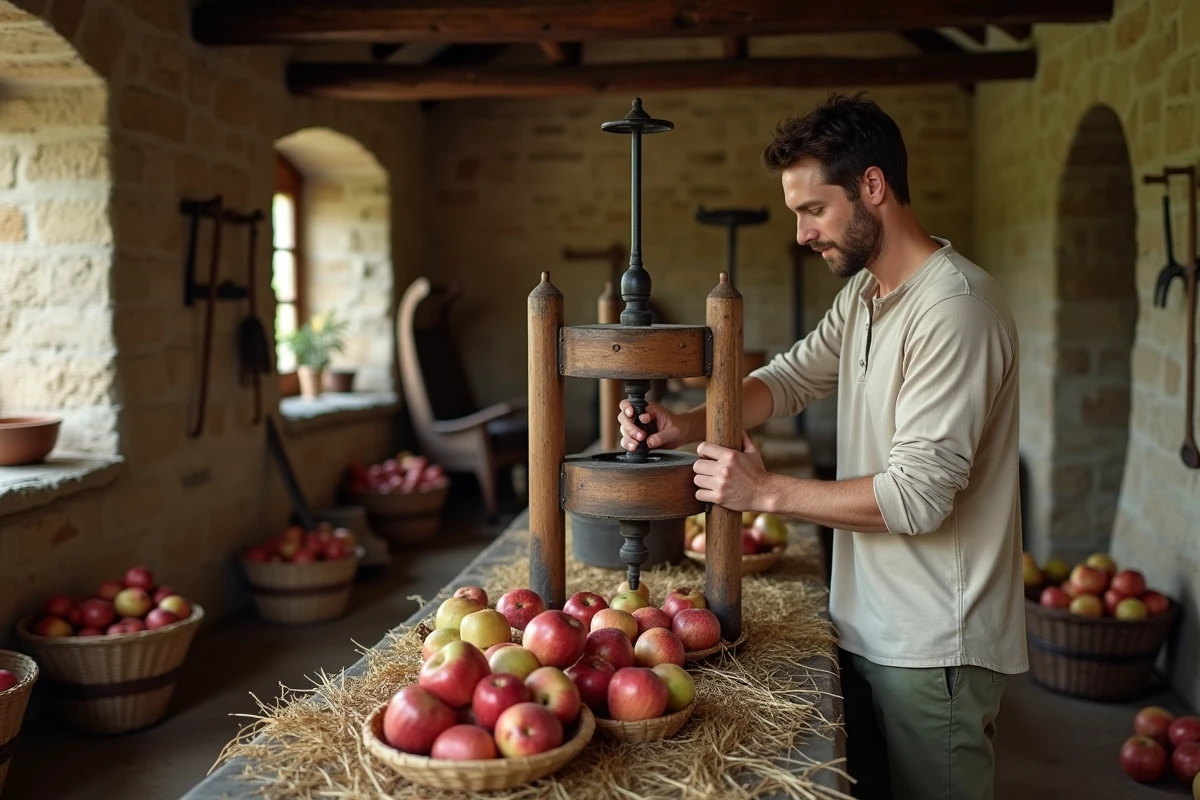
The educational farms in the Welcome to the Farm network are now listed in family outing guides alongside amusement parks and museums. This positioning is not trivial: it reflects a professionalization of educational reception in the agricultural environment.
A quality workshop relies on three verifiable criteria before booking:
- The official certification, which guarantees a safe environment, a program suitable for children, and mediation provided by the operator or a trained facilitator
- The seasonality of the workshops, as activities offered during lambing, harvesting, or grape picking have nothing to do with those on a Wednesday outside of school holidays
- The possibility of combining the visit with a tasting or a purchase through short supply chains, which gives meaning to the outing for both parents and children
We recommend prioritizing farms that include hands-on activities (feeding animals, picking, cheese or bread making) rather than those that are solely visual tours. Practical immersion remains the primary factor of satisfaction for families, much more than the size of the farm.
Wellness and Gastronomy Stays on Agricultural Operations
Several tourist offices now offer weekend packages combining farm visits, discovery of agricultural professions, and wellness services (spa, balneotherapy, gentle hikes). This “turnkey” format appeals to an adult audience that does not identify with traditional family-oriented agritourism.
The appeal of these stays lies in the coherence between the local produce and the service. A vineyard offering a vertical tasting followed by a treatment using grape extracts creates a narrative experience. In contrast, rural accommodation that adds a spa unrelated to local production does not truly fall under agricultural leisure.
From Lyon, several gastronomic routes include stops at farms and vineyards, positioned as alternatives to starred restaurants for a weekend of discovery. This type of stay works particularly well in spring and autumn, when farms are operating at full capacity and tourist attendance remains moderate.
Criteria for Selecting an Adult Agritourism Stay
The choice should be guided by local production rather than the standard of accommodation. A modest gîte attached to a goat farm with on-site aging offers more value than a high-end establishment with no functional link to the agricultural world.
Also check the possibility of actively participating in daily tasks. Operators who open their processing workshops (cheesemaking, honey production, distillation) to visitor participation generate a significantly higher return rate than those who limit themselves to guided tours.
Outdoor Nature Activities on Agricultural Land
Some farms diversify their leisure offerings by developing nature trails on their own plots: marked botanical trails, treasure hunts for children, workshops for observing beneficial wildlife. These free or low-cost activities complement the farm visit and extend the time spent on-site.
For families with children, these outdoor trails represent a concrete alternative to amusement parks. The absence of queues, direct contact with nature, and the possibility of picnicking on the farm create a more relaxed outing environment.
- Botanical trails work on nearly all types of farms, from market gardening to fruit growing
- Observation workshops (pollinating insects, nesting birds, beneficial organisms) require guidance from the operator to be truly educational
- Geolocated treasure hunts, sometimes developed in partnership with tourist offices, can attract family audiences without significant material investment
The most sustainable agricultural leisure is that which relies on existing production rather than a superficial tourist infrastructure. Operators who build a leisure offering based on their skills, buildings, and terroir create experiences that traditional amusement parks cannot replicate. It is this productive authenticity, far more than the pastoral setting, that keeps visitors coming back season after season.