
Are you looking for a moisturizing cream in a pharmacy, and the aisle presents you with two ubiquitous brands: Caudalie and Nuxe? The packaging looks vaguely similar, the prices fall within the same range, and the promises (hydration, radiance, naturalness) overlap. To make a decision, you need to go beyond marketing and look at what each brand actually puts in its tubes, how it designs its products, and which skin type it serves best.
Formulation Charters: What Caudalie and Nuxe Really Exclude
When you turn a bottle around, the INCI list tells a more reliable story than the slogan on the front. In this regard, Caudalie and Nuxe do not play exactly the same game.
Caudalie has built its “Cosm-ethical” charter around a broad exclusion list: no silicones, PEG, mineral oils, phenoxyethanol, or sodium laureth sulfate. Controversial UV filters have also been removed from all product lines. This restrictive approach appeals to reactive skin and those who want to limit synthetic ingredients to the strict minimum.
Nuxe has chosen a more progressive path. The brand reformulates its best-sellers (with Huile Prodigieuse at the forefront) to increase the share of natural origin ingredients and reduce certain preservatives. The “responsible cosmetics” approach is real, but Nuxe does not claim as broad an exclusion of ingredients as Caudalie. If you compare a detailed comparison of the two approaches, the file caudalie or nuxe on Zaturelle provides a good starting point.
In practice, feedback varies on this point: some sensitive skins tolerate current Nuxe formulas very well despite a less strict exclusion list. Skin tolerance is not solely about the number of banned ingredients.
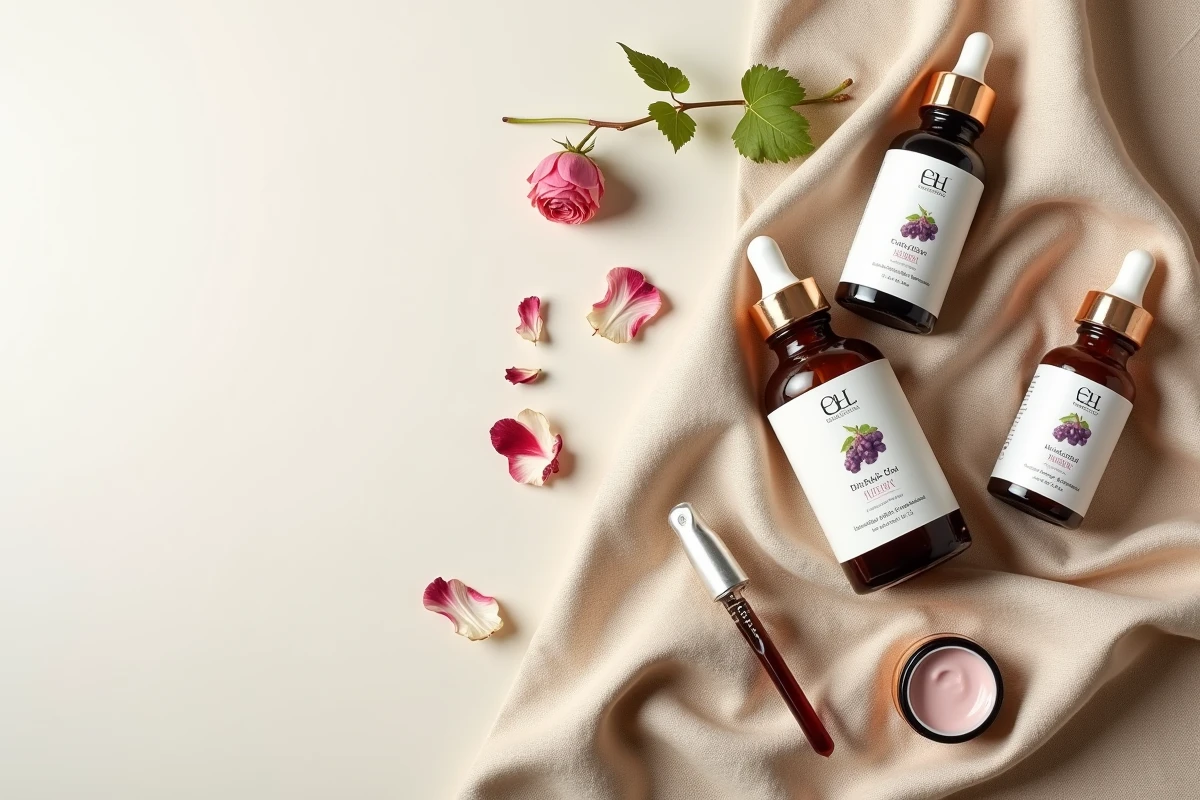
Key Ingredients Caudalie and Nuxe: Grape vs. Plant Oils
Both brands have their own territory of active ingredients that clearly distinguishes them.
Caudalie and Grape
Caudalie derives its identity from grape polyphenols and the vine. Resveratrol (an antioxidant from grapes) runs through all ranges, from Vinoperfect for pigmentation spots to Premier Cru for anti-aging. The iconic product of the brand, Eau de Beauté, is based on a complex combining grape extracts, rosemary, and rose.
If your main concern is radiance or spots, Caudalie’s expertise in polyphenols has a solid dermocosmetic foundation. The textures are often light, sometimes watery, suitable for combination to normal skin.
Nuxe and the Sensory Experience of Oils
Nuxe focuses on a blend of precious plant oils and honey. Huile Prodigieuse, the brand’s absolute best-seller, combines several oils (tsubaki, macadamia, borage, among others) in a dry multi-use texture for face, body, and hair. The Rêve de Miel range harnesses the reparative properties of honey for dry skin and damaged lips.
Nuxe excels in nourishing and repairing dry skin. The textures are generally richer and more enveloping. If you are looking for a body care product or a lip balm for winter, Rêve de Miel is one of the hard-to-beat references in pharmacies.
Environmental Commitment: Two Models Not to Be Confused
We often hear “natural brand” used interchangeably to describe both Caudalie and Nuxe. However, the ecological commitments of the two brands are structurally different.
Caudalie has established a partnership with the “1% for the Planet” program and has communicated about carbon neutrality offset for several years, with direct funding for reforestation projects. The connection to the wine world (Bordeaux, the vine, the harvest) is not just storytelling: it structures the supply chain of active ingredients.
Nuxe focuses more on the eco-design of its packaging:
- Gradual transition to recyclable glass for oil bottles
- Elimination of paper inserts on several references
- Use of plant-based inks on packaging
Caudalie invests in global carbon offset, while Nuxe focuses on waste reduction at the product level. Depending on your priorities, one model or the other may make more sense.

Which Skin Type to Direct Towards Caudalie or Nuxe
Rather than declaring a universal winner, here are the concrete situations where each brand excels.
- Combination to oily skin, dull complexion: Caudalie. The Vinoperfect serums and the Vinopure line (with its purifying approach using salicylic acid) are better suited for shiny skin that marks easily.
- Dry to very dry skin, needing intense nutrition: Nuxe. The Rêve de Miel range (lip balm, face cream) and Huile Prodigieuse provide a comfort that Caudalie’s often more fluid textures do not cover as well.
- Sensitive skin seeking a minimum of controversial ingredients: Caudalie, thanks to its stricter exclusion charter. However, check the INCI list product by product, as individual tolerances remain unpredictable.
- Looking for a multi-use product (face, body, hair): Nuxe. Huile Prodigieuse remains hard to match in terms of versatility and value for money.
It is perfectly fine to combine both brands in a routine: a Caudalie serum in the morning for radiance, a Nuxe oil in the evening for nourishment. The formulas do not pose compatibility issues between them.
The choice between Caudalie and Nuxe ultimately depends on the nature of your skin and the type of care you are looking for. Oily or dull skin benefits from exploring Caudalie, while dry skin or those seeking sensory comfort generally find their satisfaction with Nuxe. The real trap would be to choose based on packaging or a TikTok best-seller without checking if the texture and active ingredients meet your actual needs.