Making an interior both modern and warm without major renovations is accessible, even for a tenant on a limited budget. A modern and warm home doesn’t necessarily mean heavy renovations: the most effective levers often relate to visible materials, textures, and the heat source.
Scandinavian hygge or Japanese wabi-sabi: two cozy philosophies compared
Two trends dominate the so-called warm decor trends in 2026. Scandinavian hygge, popularized over the past decade, focuses on clean lines, neutral tones, and reassuring symmetry. Japanese wabi-sabi, on the other hand, is gaining ground for its imperfect authenticity compared to the smooth perfection of hygge, according to a comparative study published in February 2026 by IFDA France.
The difference goes beyond aesthetics. It influences concrete layout choices.
| Criterion | Scandinavian Hygge | Japanese Wabi-Sabi |
|---|---|---|
| Color palette | Whites, beiges, light grays | Terracotta, moss green, brown |
| Preferred textures | Smooth linen, knitted wool, light wood | Raw ceramics, patinated wood, stone |
| Relationship to furniture | New, functional design | Second-hand, patinated, repaired |
| Budget accessibility | Medium (new designer furniture) | High (valued recovery) |
| Tenant adaptation | Easy (textiles, lighting) | Very easy (objects, textiles, tableware) |
For a tenant who cannot touch the walls or floors, wabi-sabi offers a clear advantage: it values existing imperfections instead of hiding them. A worn floor or a slightly uneven wall becomes an asset, not a flaw to correct.
To explore these topics further, you can discover the home page on Wow Magazine which gathers various inspirations suited to different budgets.
Light renovation under 5,000 euros: the elements that really change the atmosphere
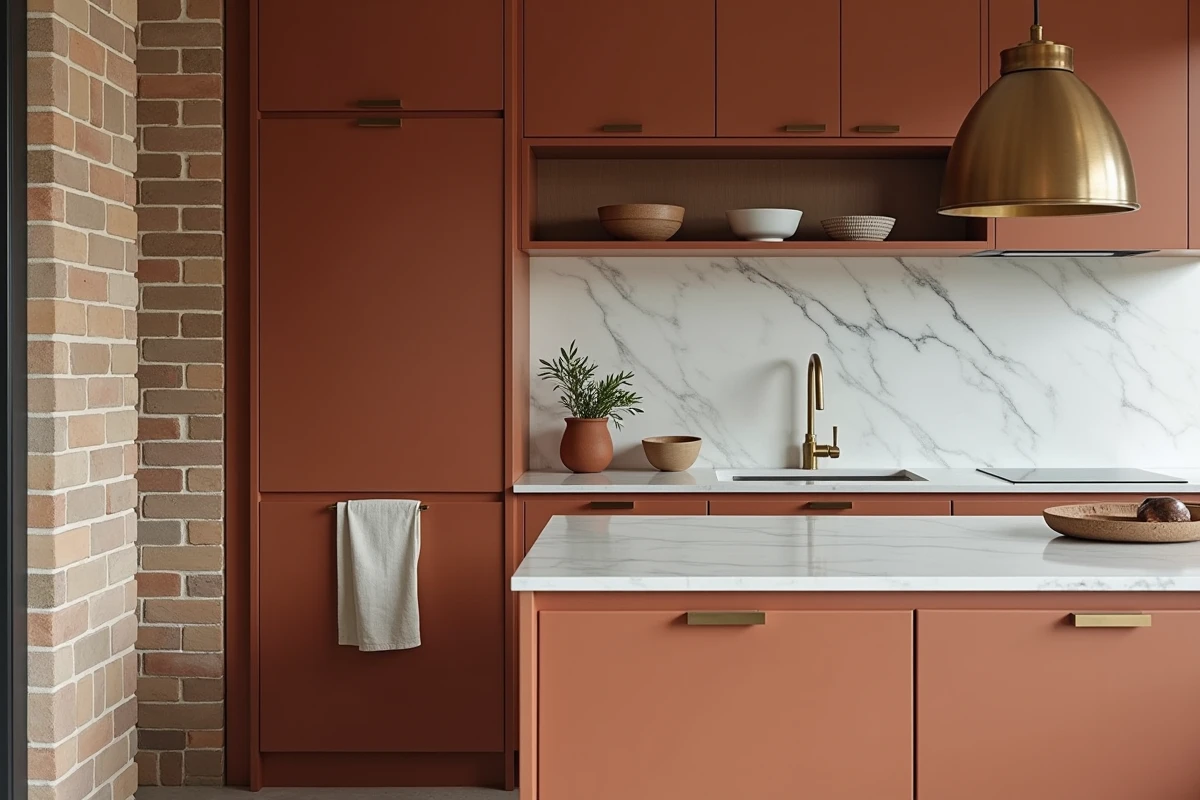
Most inspirations in interior decoration present projects whose budgets far exceed what a tenant or first-time buyer can mobilize. With less than 5,000 euros and without structural work, three areas concentrate the bulk of the visual and sensory impact.
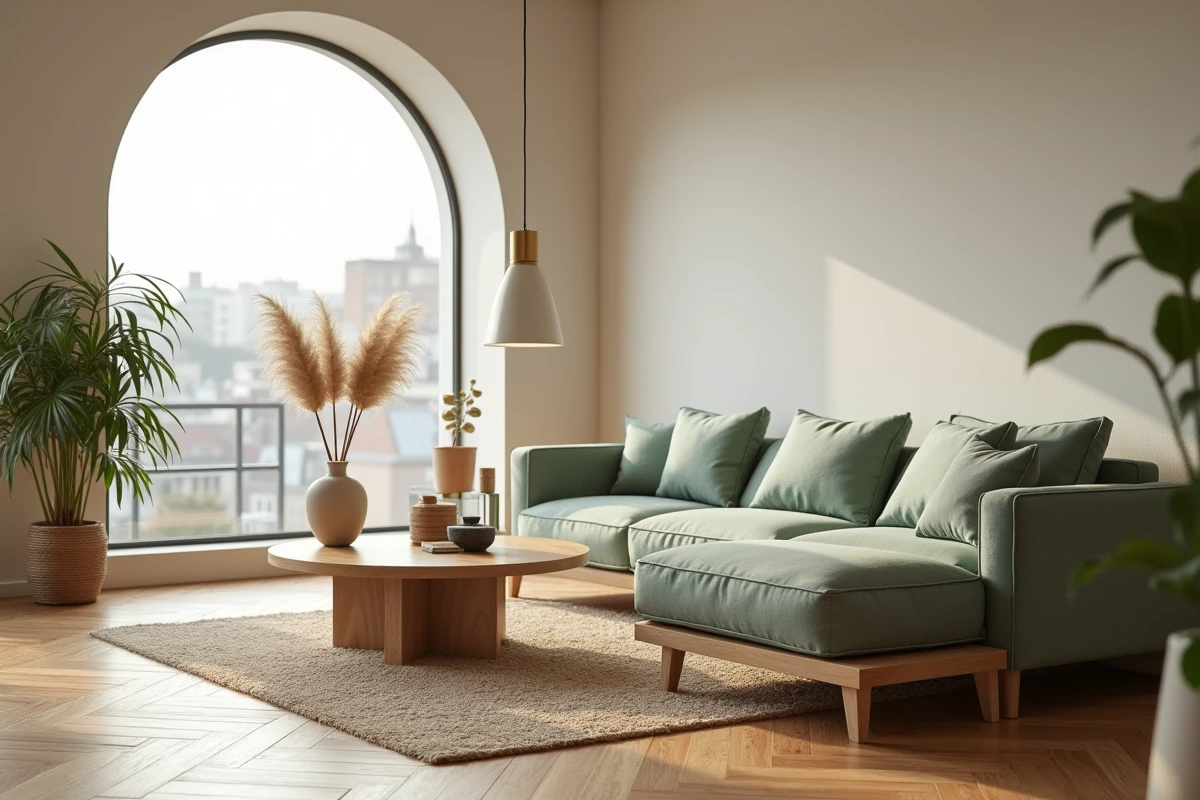
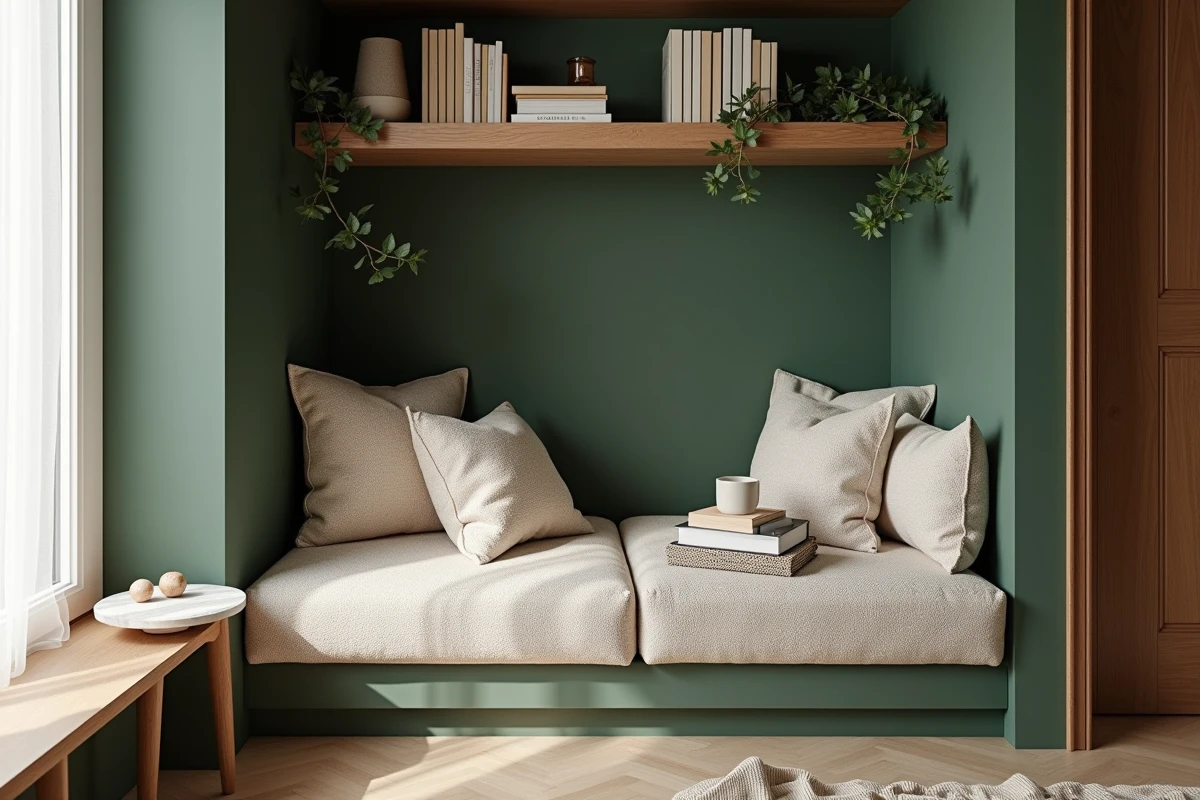
- Thick textiles and warm colors: washed linen curtains, wool blankets, cushions in terracotta or forest green shades. This area represents the best cost/transformation ratio for a living room or bedroom.
- Indirect lighting and designer fixtures: replacing a ceiling light with two or three low light sources (floor lamp, table lamp, string lights) radically changes the perception of warmth in a room. The color temperature of the bulb is as important as the fixture.
- Exposed wood in small touches: oak wall shelves, walnut table top, raw wood frames. Wood remains the material most associated with the perceived warmth of a modern interior.
On the other hand, wall painting, often cited as the first reflex, poses a problem for tenants. Repainting upon moving in and then restoring the walls upon departure absorbs a significant portion of the budget without lasting benefit.
Prioritize visible surfaces on a daily basis
The living room and dining area capture the majority of the time spent awake at home. Focusing the budget on these two spaces rather than sprinkling it across every room yields much more noticeable results.
A sofa covered with a thick knit throw, a solid wood coffee table, and two well-placed light fixtures are enough to anchor a warm modern style without drilling a single wall.
Design pellet stove or electric radiator: perceived warmth as a decor criterion
The heating source influences the sensation of warmth well beyond the measured temperature. Owners of design pellet stoves regularly report a more comforting warmth sensation than that of electric radiators, at equivalent ambient temperatures.
This observation can be explained simply: a visible stove creates a focal point in the room, comparable to a traditional fireplace. The flame, even behind glass, activates a sensory association that the invisible radiation of a convector does not replicate.
Constraints in urban and rental environments
Installing a pellet stove in an apartment remains complex. It requires a flue, the agreement of the co-ownership, and an initial investment that often exceeds the budget for light renovation. For tenants, this option is rarely accessible.
The most effective alternative is to simulate a warm focal point without combustion. Built-in electric fireplaces with flame effects have progressed in realism. Some wall-mounted models require only an electrical outlet and can be disassembled upon departure. The result does not rival a real fire, but it draws the eye and visually structures the living room.
Color and material trends for interiors 2026: what works together
The most common color and texture combinations in warm modern projects this year share a common point: they mix at least two natural materials with a touch of muted color.
Light wood (bleached oak, ash) combined with matte ceramics and a clay-colored wall creates a balance between modernity and softness. Dark wood (walnut, acacia) pairs better with raw textures and deep green tones, in a logic closer to wabi-sabi.
Rattan or caned furniture, long confined to verandas, now integrates into modern living rooms as elements of light texture. Their advantage for tenants: they are portable and require no fixtures.
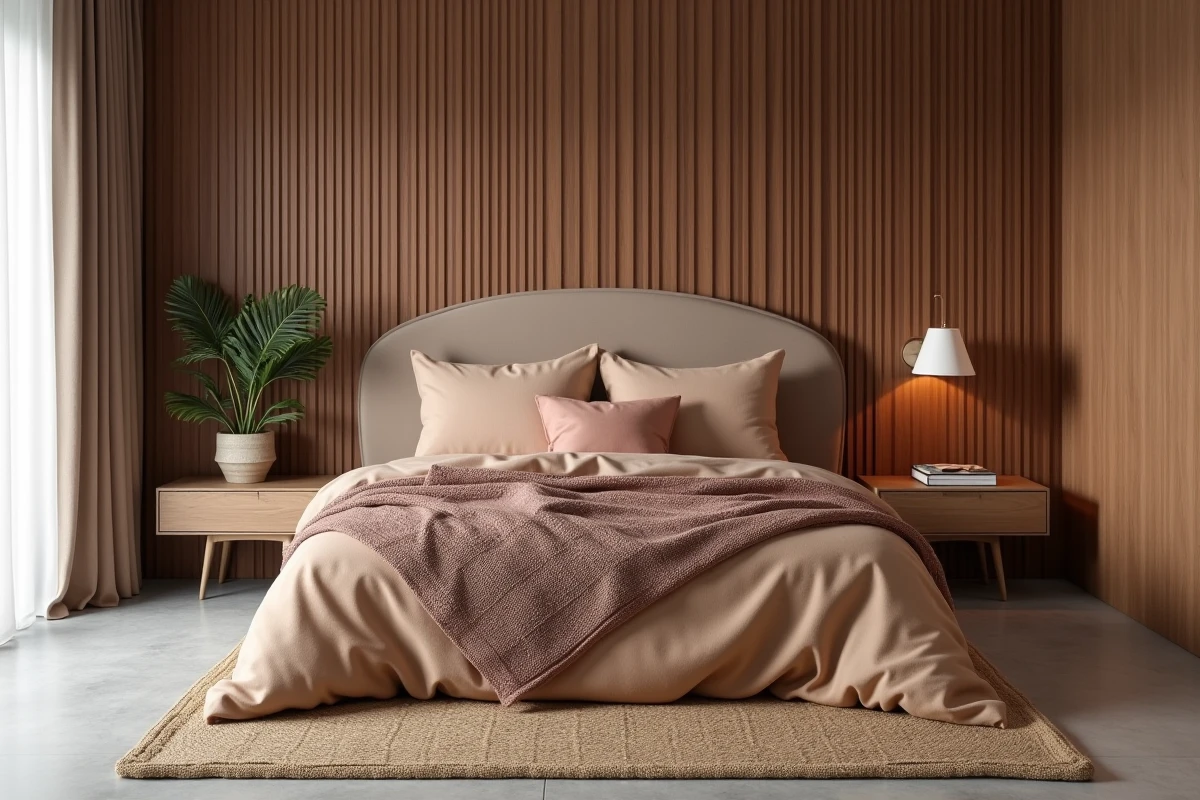
The choice between these two palettes depends less on a dominant trend than on the available natural light. A north-facing room benefits from staying in light and warm tones. A very bright room can support dark woods and more saturated colors without appearing overwhelming.
Ultimately, adapting a warm modern home comes down to three decisions: the material palette, the light source, and the focal point of the living room. The rest involves secondary adjustments that refine the atmosphere without defining it.