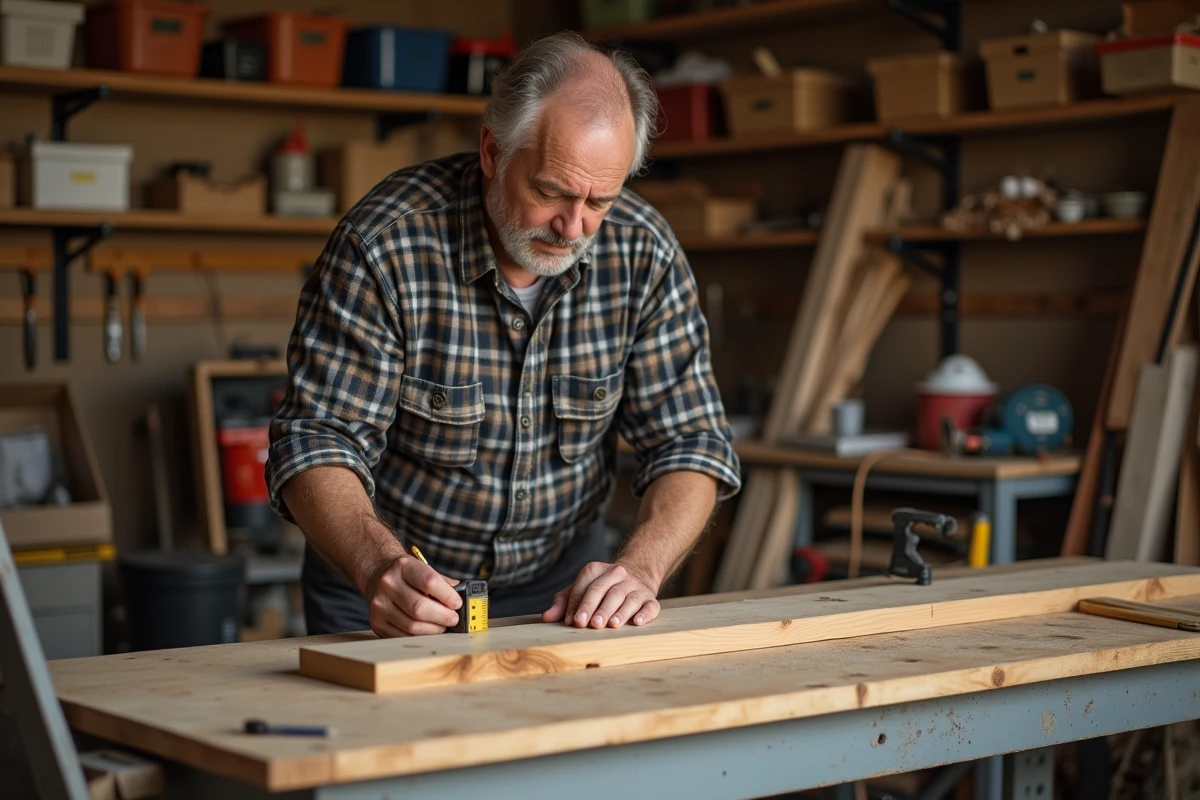
A poorly prepared project often leads to more expenses than savings. The impulsive purchase of specialized tools remains one of the most common mistakes, while simple alternatives almost always exist.
Few beginners know that methodical organization can cut the time spent in half, even for modest achievements. Learning from failure, far from being an obstacle, can sometimes be the most effective shortcut to success.
How DIY at home changes your daily life
DIY is no longer limited to quick repairs or a few hastily applied joints. It is now an approach that encompasses the entire living space: optimizing, reinventing, and claiming every nook. Doing your own work, from DIY to more ambitious renovations, offers a satisfaction that goes beyond the simple pride of the finished object. The workshop is seen as a true realm of independence and inventiveness, where every tool, every reclaimed board, comes together in a project that reflects one’s identity.
Personalization seeps everywhere: a piece of raw wood furniture here, a shelf adapted to the configuration of a wall there, a redesigned terrace to enjoy summer evenings. Undertaking a DIY project also becomes a family bond, a pretext to share skills, pass on knowledge, and learn. Rather than throwing away and replacing, we prioritize repair, recycling, and adopt an environmentally friendly approach, far from the logic of brand new.
As projects progress, the home transforms into a laboratory of trials and ideas. Building a bench for the garden or rethinking a balcony space also means opening up to advice gleaned from L’Atelier du Bricolage, a valuable resource for finding ideas or refining a technical gesture. The success of a DIY project is not only measured by the object obtained but by the ability to dare, to repurpose, to imagine differently. The home, the terrace, the garden evolve with the inspiration and the hands that shape them. DIY then asserts itself as a quiet force that reinvents daily life.
What are the essentials to get started, even without experience?
Entering the world of DIY does not require a diploma, just a few well-chosen tools. To get started, simply gather the basic elements:
- A reliable hammer, always within reach
- An assortment of flat and Phillips screwdrivers
- A suitable saw, whether for wood or metal
- A well-sharpened pliers
- A precise tape measure to avoid unpleasant surprises
The toolbox is the foundation of every project. Keep it organized, label, and store: rigor begins here, long before the first hammer strike.
The workspace does not need to be vast to be effective. A corner of the garage, a cleared table, it doesn’t matter: what counts is clarity and safety. Ensure good lighting, a stable surface, and accessible electrical outlets. A well-organized space avoids time loss and limits mistakes.
Never neglect safety. The reflex should be immediate: gloves to protect hands, safety glasses for the eyes, dust mask when sawing or sanding. These simple precautions prevent many inconveniences.
To choose your materials, a few guidelines help navigate:
- Wood for making or repairing furniture
- Cardboard for creating prototypes or small storage solutions
- Fabric and glass for decorative or practical touches
- Reclaiming pallets or old boards, to combine economy and creativity
Ultimately, a combination of planning, suitable equipment, vigilance, and a touch of boldness allows tackling any project, even for a novice DIYer.
Concrete tips for succeeding and personalizing your DIY projects
In every DIY project, a detail can change everything. The trick is often to look around and exploit unsuspected resources:
- Pallets work wonders for making a garden bench or a sturdy wall shelf
- Glass jars can be transformed into clever storage or custom lighting
This dynamic of recycling stimulates creativity while limiting environmental impact.
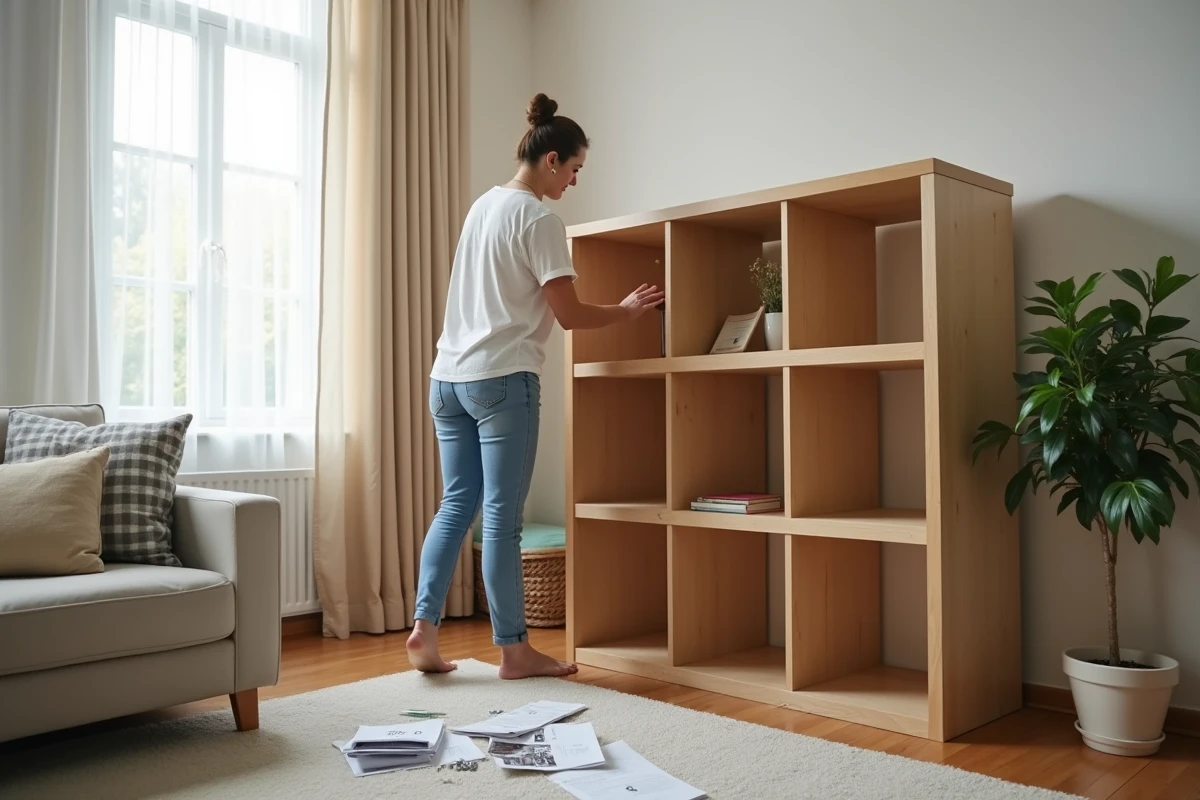
Before diving in, taking the time to develop a detailed plan proves rewarding. A sketch, precise measurements, a list of supplies: this preparation avoids mishaps and saves valuable time. An example? Floating shelves combine utility and aesthetics while optimizing space. Even an ordinary piece of furniture can be transformed with a few original handles or a well-placed touch of paint.
To fuel inspiration, various resources offer a wealth of ideas and examples:
- Specialized forums and dedicated magazines
- Books on DIY and crafting
- Online tutorials detailing techniques or finishes
- Active communities to exchange tips and experiences
Daring to repurpose an object, trying a new technique, refining every detail: all of this contributes to the success of a DIY project. Because in the end, what matters is bringing ideas to life and watching your interior evolve with each step taken. Who knows, the next great find might come from a forgotten board or a conversation with a DIY neighbor.